Academic Staff
Michael Küttner

Profile
I am a PhD student here at the TECO research group. I have been part of TECO since 2019, initially as a research assistant, and since then I have been working on advanced wearable systems with a focus on sensor-based computing and real-time signal processing.
My work centers on next-generation smart earables that integrate multimodal sensing, embedded AI, and low-latency audio DSP. I develop hardware, firmware, and adaptive signal processing pipelines for physiological sensing, environmental perception, and immersive audio interfaces, with a particular focus on real-time audio processing, active noise control and spatial audio perception.
I currently work on the development of OpenEarable 2.0, an open research platform for in-ear sensing and audio processing, and UltrasonicSpheres, a system that creates localized ultrasonic sound zones for seamless spatial audio anchored in physical space. My broader interests include assistive hearing systems, embedded ML, physiological signal analysis, and ubiquitous computing interfaces.
Short CV
- 2024 Researcher and Software Developer at TECO
- 2020 – 2024 M.Sc. Computer Science at Karlsruhe Institute of Technology (KIT)
- 2016 – 2020 B.Sc. Computer Science at Karlsruhe Institute of Technology (KIT)
Research Interests
- Real-time Signal Processing
- Audio Filter Design
- Embedded Firmware
Projects
UltrasonicSpheres
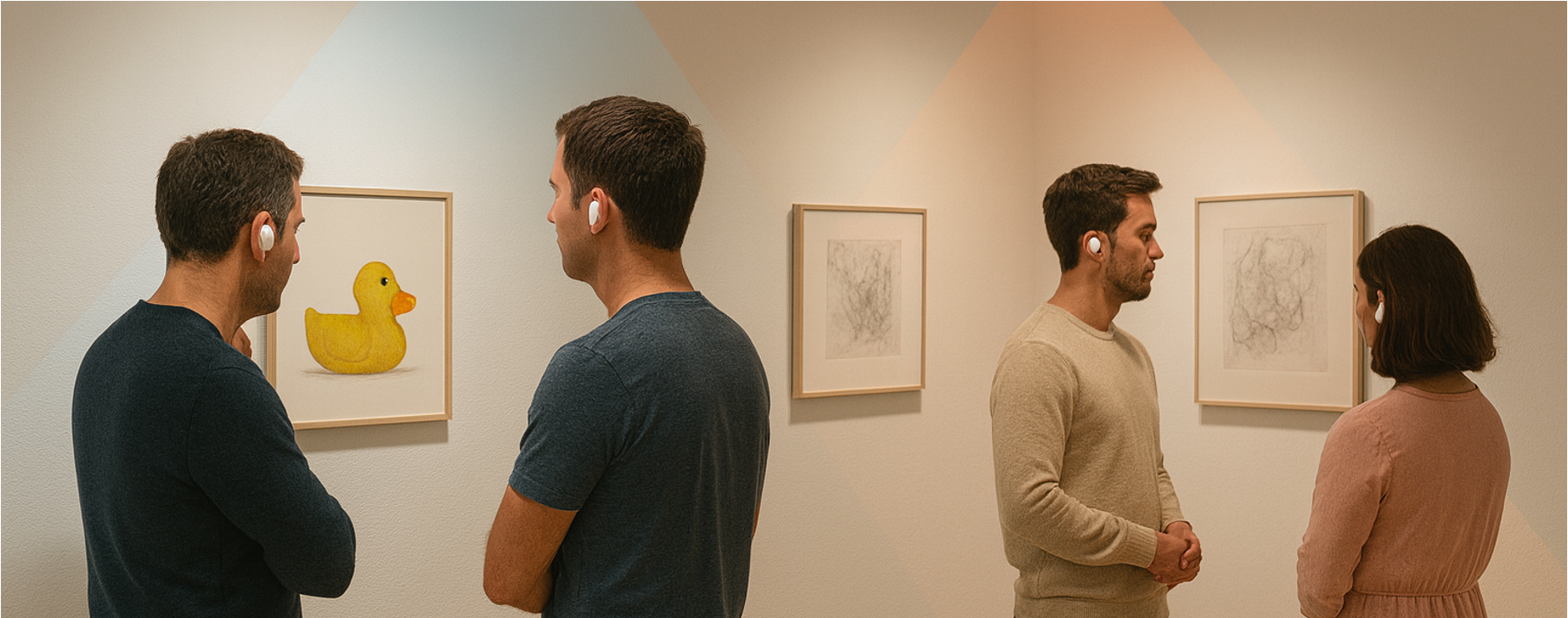
UltrasonicSpheres creates localized ultrasonic audio zones in space, audible only when wearing OpenEarable 2.0. As users move between zones, they automatically hear the corresponding audio — with spatial direction preserved and no sound leaking into the environment. The system enables natural, hands-free, location-based audio experiences using off-the-shelf speakers and open-source earables.

OpenEarable
OpenEarable is an open-source, AI-enabled platform for ear-based sensing applications with true wireless audio. The modular and reconfigurable platform is packed with a variety of high-precision sensors, designed for both development and research applications.
Calmables
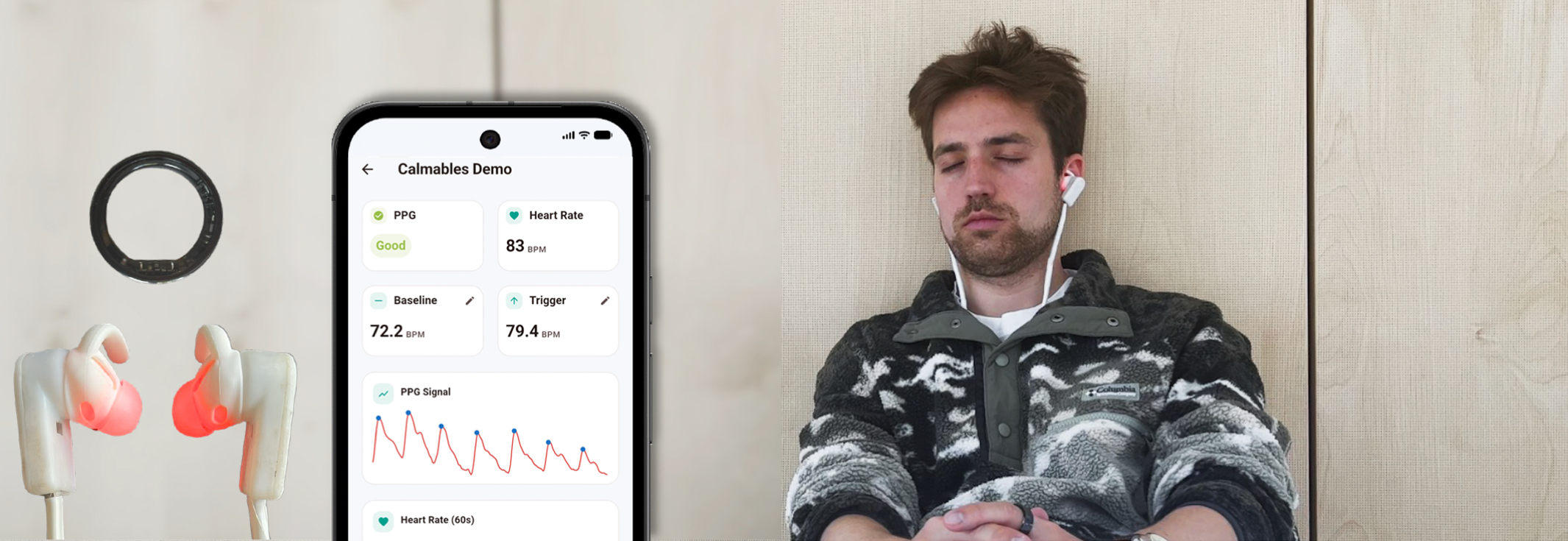
Calmables is a closed-loop infrared earable designed to explore thermal biofeedback for relaxation support. The system uses heart-rate data from a smart ring to establish an individual baseline and identify periods of elevated physiological activation. When a personalized threshold is reached, the earable delivers a subtle, localized warming stimulus to the ear using infrared light. A companion smartphone application coordinates the interaction and visualizes physiological changes, while independent temperature limits and communication fail-safes ensure safe operation. In a preliminary placebo-controlled evaluation with 18 participants, the active prototype received higher ratings for perceived relaxation and recovery support than an identical-looking placebo device. Calmables demonstrates how physiological sensing and unobtrusive thermal stimulation can be combined to make biofeedback tangible and support brief moments of recovery.
Heatables
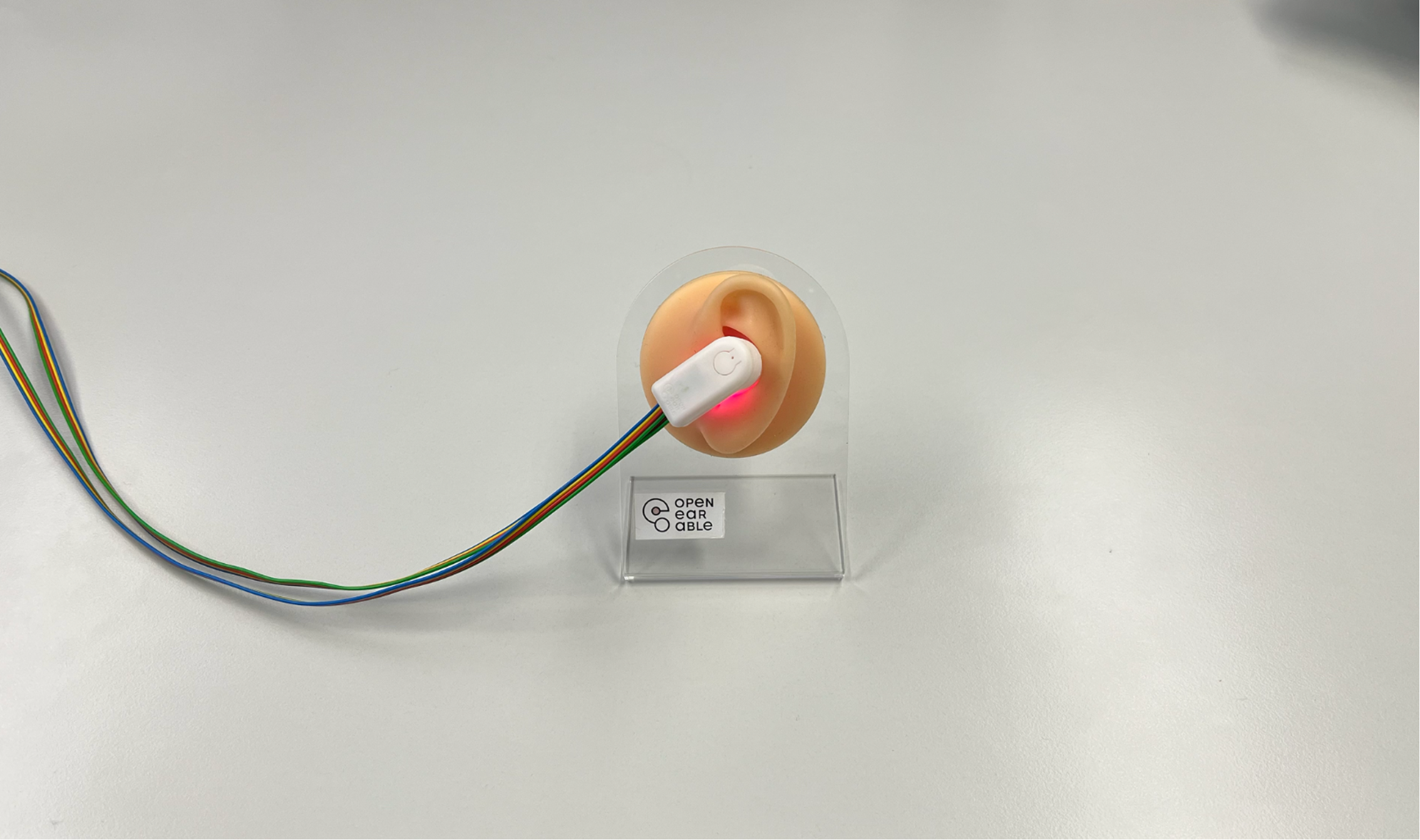
Heatables investigates the use of near-infrared (NIR) and infrared (IR) optical stimulation within the human ear to modulate thermal perception and comfort. The project explores the auditory canal as a novel physiological and perceptual interface for personalized thermal regulation.
EarXplore
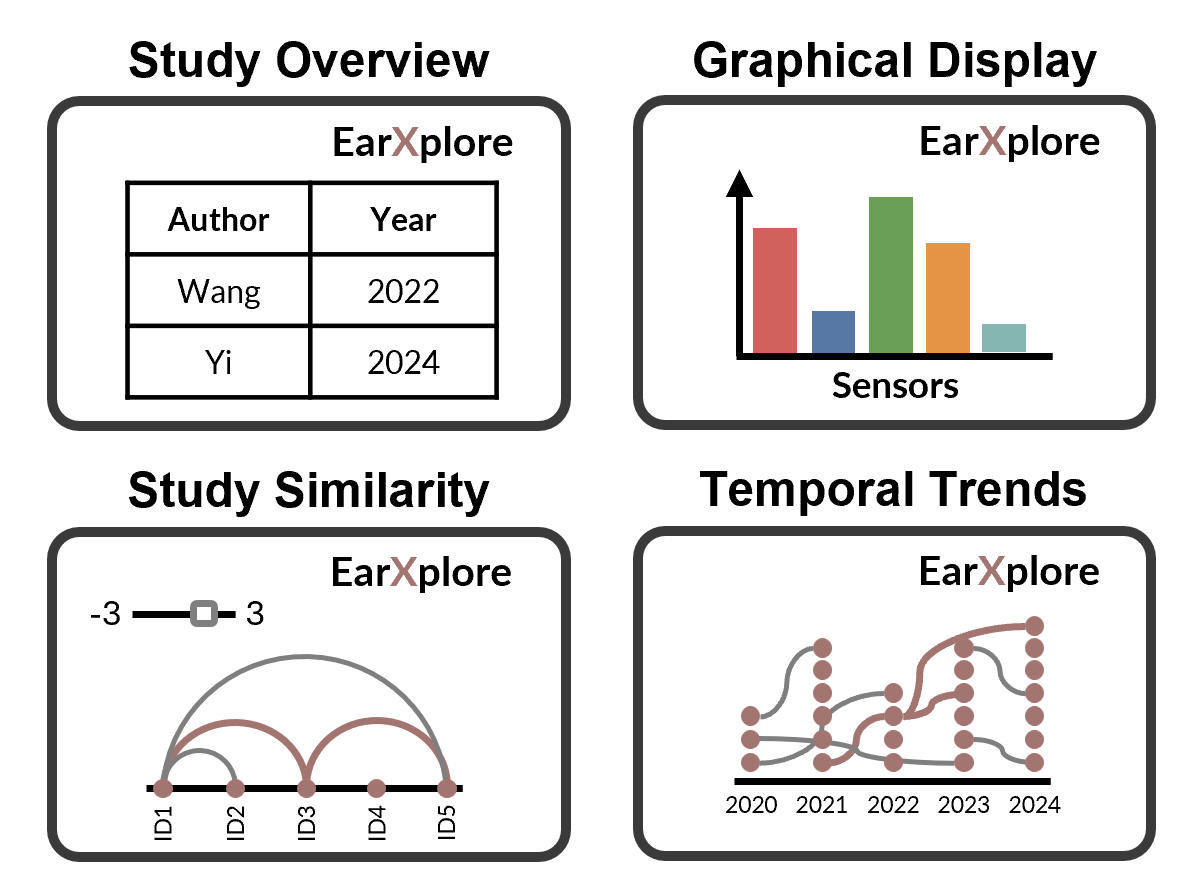
EarXplore is an evolving, interactive database that organizes and visualizes research on earables. It helps the community explore existing studies, uncover trends, and shape the future of earable technology.
Jobs
Topic Areas
Publications
Ramesh, S.; Neufeld, M.; Küttner, M.; Röddiger, T.; Beigl, M.
2026. ISWC ’26: Proceedings of the 2026 ACM International Symposium on Wearable Computers. Ed.: D. Zhang, 127–133, Association for Computing Machinery (ACM). doi:10.1145/3830727.3834821
Küttner, M.; Zitz, V.; Gerling, K. M.; Beigl, M.; Röddiger, T.
2025. Companion of the 2025 ACM International Joint Conference on Pervasive and Ubiquitous Computing; Espoo, Fannland, 12.-16.10.2025, 439–443, Association for Computing Machinery (ACM). doi:10.1145/3714394.3754416
Zitz, V.; Küttner, M.; Hummel, J.; Knierim, M. T.; Beigl, M.; Röddiger, T.
2025. Proceedings of the ACM International Symposium on Wearable Computers (ISWC’25), 91–97, Association for Computing Machinery (ACM). doi:10.1145/3715071.3750421
Röddiger, T.; Zitz, V.; Hummel, J.; Küttner, M.; Lepold, P.; King, T.; Paradiso, J. A.; Clarke, C.; Beigl, M.
2025. CHI EA ’25: Proceedings of the Extended Abstracts of the CHI Conference on Human Factors in Computing Systems, Art.-Nr.: 713, Association for Computing Machinery (ACM). doi:10.1145/3706599.3721161
Röddiger, T.; Küttner, M.; Lepold, P.; King, T.; Moschina, D.; Bagge, O.; Paradiso, J. A.; Clarke, C.; Beigl, M.
2025. Proceedings of the ACM on Interactive, Mobile, Wearable and Ubiquitous Technologies, 9 (1), Art.-Nr.: 16. doi:10.1145/3712069